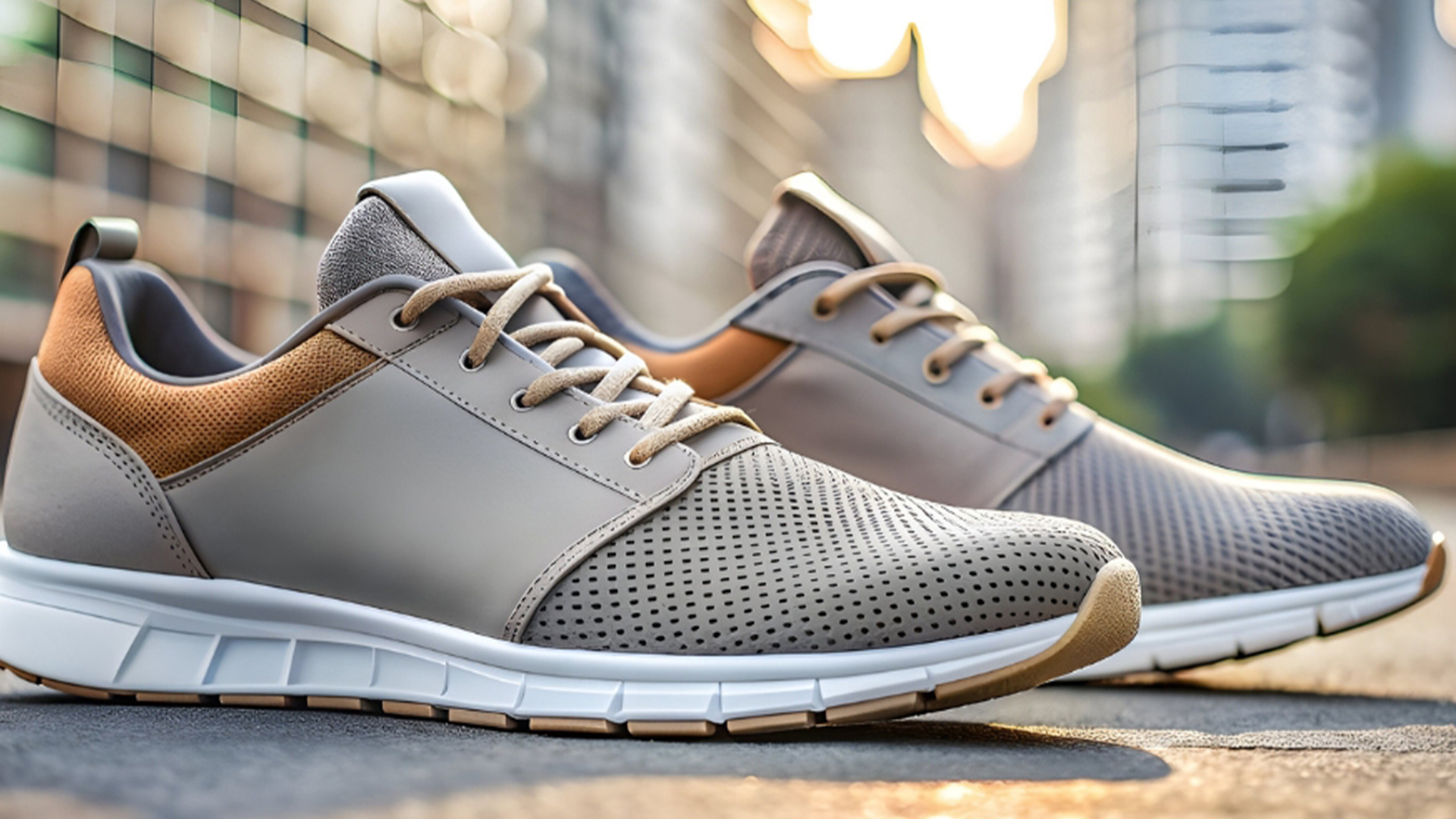
Shoes are central to your everyday experience. Nevertheless, many people overlook proper maintenance and storage practices, which have a significant impact on their shoes. Are you one of them? If yes, you must understand that the appearance, comfort, and lifespan of your shoes depend on maintenance and storage.
So, whether you’re having formal footwear, casual sneakers, boots, or occasion shoes, maintenance and storage are key areas you must focus on. While it may sound so, be assured that good shoe maintenance is not complicated, even a bit!
All you need are consistent habits and the right storage approach. So, do you want to significantly extend the usability of your footwear and keep them presentable for longer periods? Here’s a quick guide on how to do that.
Dust, moisture, friction, and changing weather conditions are the deadliest enemies of your shoes. And they are constantly exposed to the same! If you don’t maintain your shoes properly, the material of your shoes starts to weaken, soles wear unevenly, and odors develop.
So, you do understand that maintaining your shoes can help you in a number of ways. Some crucial ones include:
Just a small amount of attention, can actually help you extend the lifespan, and save you from the burden of frequent replacements.
Shoe maintenance starts with cleaning. While at first glance, dirt and debris seem harmless, but prolonged exposure tends to damage fabrics, leather surfaces, and stitching as well. You must ensure a basic cleaning routine, which involves the following things:
1. Remove surface dust using a soft brush or dry cloth.
2. Clean soles separately to prevent dirt transfer.
3. Use a slightly damp cloth for stains or marks.
4. Allow shoes to air dry naturally after cleaning.
Don’t soak your shoes in water unnecessarily. Do it only if the material of the shoe allows it. When you’re exposing your pair to moisture for a prolonged period, it can weaken adhesives and cause deformation as well.
Are you using the same cleaning method for all your shoes? Stop right there! You must remember that not all shoes must be cleaned using the same method. You must understand material requirement to prevent accidental damage.
You can ensure that your shoes look fresh, if you match the cleaning method with the material of the shoe. Besides, it also makes sure that the construction of your shoe isn’t weakened in the process.
Moisture can impact footwear longevity in a manner you can’t even imagine. While odor buildup is one impact, prolonged exposure to sweat, rain, or humidity can also cause unwanted material breakdown.
So, what should you do when your shoes become wet? Here are a few tips:
Don’t go on to place your shoes near heaters, hair dryers, or direct sunlight. When your shoes dry rapidly, it may result in cracking or shrinking as well.
The wear of your shoe is significantly accelerated, when you wear the same pair every day. When you’re wearing a pair, it needs time to release absorbed moisture and regain its original shape.
During a typical week, it’s recommended that you must rotate between two or three pairs. With this, you can achieve the following things:
Durability can increase multiple times, with this simple habit.
When shoes are not in use, using shoe trees can be a bonus. These trees help in maintaining the structure of your shoes and can also help in preventing creasing. You successfully preserve the original silhouette of your shoe with this simple practice.
So, what kind of shoe trees should you use? Wooden shoe trees are appropriate, as they offer the following benefits:
After wearing shoes, you must insert shoe trees. This practice must be especially carried out in the case of formal or leather shoes. This help in keeping their look structured.
Don’t just overlook storage, it influences the longevity of your shoes more than anything. If you’re not storing your shoes in the right way, it can cause discoloration, mold growth, and material damage as well.
Here are a few things that can qualify as ideal storage conditions:
Storing your shoes in the damp corner of your home? Relocate them immediately! Don’t use sealed plastic containers that can trap moisture as well.
Are you storing your shoes in original boxes or plastic bags? This practice can restrict airflow. Some better storage options here include:
Occasional airflow is an essential, if you want to prevent moisture buildup. Besides, transparent storage boxes can ensure that your footwear stays organized and can keep them visible and protected.
A few preparations steps can be handy, before you decide to store your shoes for extended periods:
Avoid storing dirty or damp shoes, as this can result in permanent stains or even odor development.
The longevity of a pair depends on its soles, which are exposed to maximum friction. You must check certain things regularly:
Further structural damage can be prevented by early repairs. You can also extend the lifespan of certain footwear style by replacing worn heel tips and adding protective soles.
Don’t place heavy items over your shoe storage, it can distort the shape of your shoes. Moreover, avoid shoe stacking as well, which can also restrict airflow. Make sure that you’re organizing your shoes with adequate spacing. This helps in ensuring that each pair is maintaining its natural form. Proper placement also makes daily selection and maintenance easier.
When maintained in the right manner, average lifespan of a pair of shoes can increase significantly. The same goes for storage as well! Together, these two factors can significantly impact the overall longevity, comfort, and appearance associated with your shoes.
So, it’s essential to make sure that you’re using the correct maintenance steps, and storage solutions. Prolonged exposure to moisture, dirt, or debris, tend to take a toll on your shoes. It’s therefore, highly essential to make sure that each pair is appropriately cleaned and stored after use.
Rotating your shoes can be a massive solution as well. It can help in ensuring that your soles don’t just wear out. Use these simple tips and tricks and see the lifespan of your shoe pair go up by significant margins!