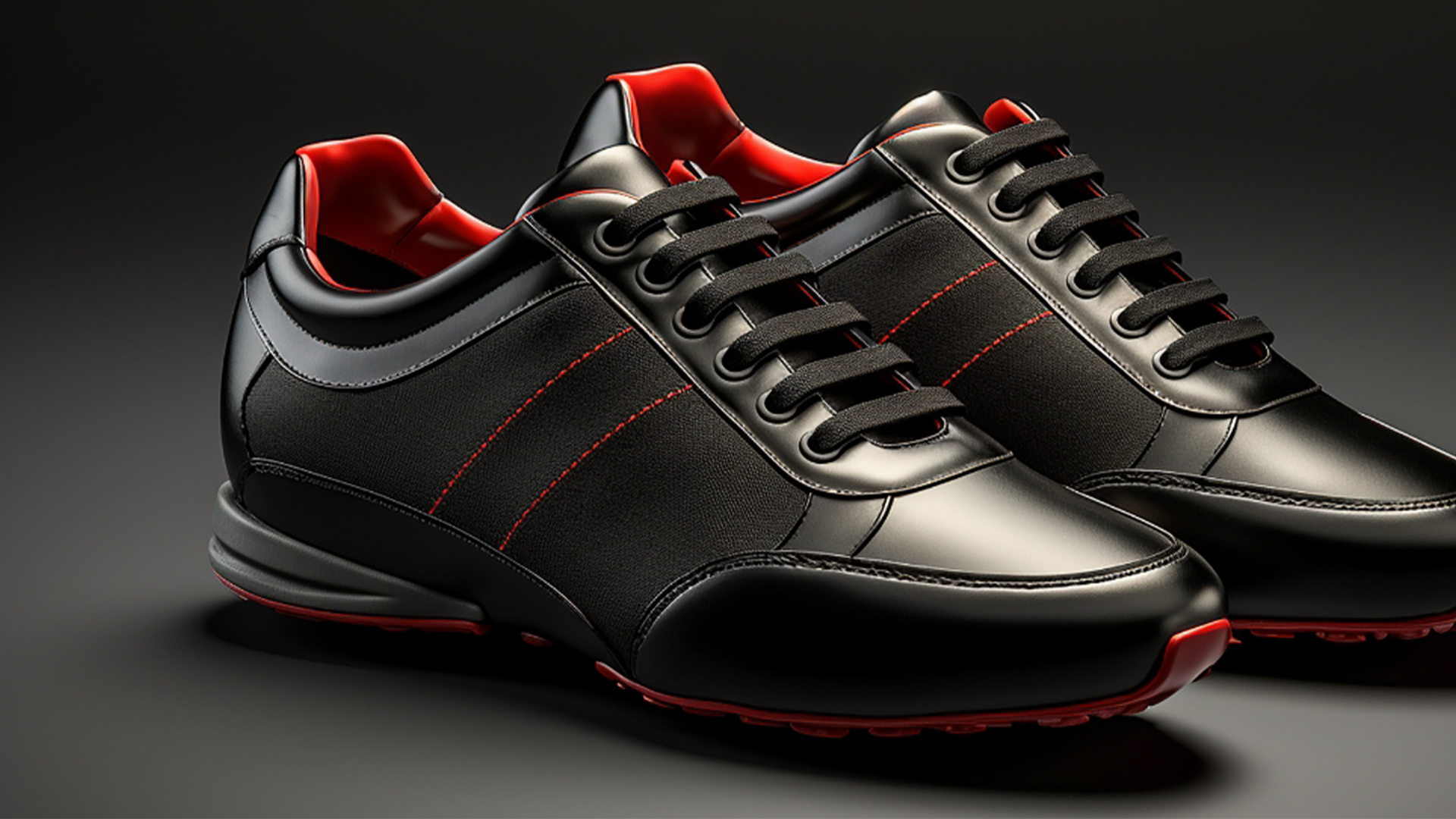
Do you focus just on brand name, price, and appearance, while shopping for shoes? You are missing out one important factor here, the manufacturing of the shoes. How a pair of shoes is crafted is an important factor that generally goes unnoticed.
There’s a stark difference between handmade and machine-made shoes, and it’s not just about production methods. It has a lot to do with comfort, durability, craftsmanship, and the overall wearing experience associated with the same as well.
So, with a proper understanding of such distinctions, you’ll be able to make smarter purchase decisions. So, the next time you will buy a pair, you’ll be able to choose the one that suits your lifestyle and expectations. Let’s understand the core differences between handmade and machine-made shoes here.
Skilled artisans are used when crafting a handmade shoe, who make use of traditional shoemaking techniques. They don’t just rely on automated systems, instead experienced craftsmen handle cutting, stitching, shaping, and even finishing processes.
Your pair goes through cautious manual attention, which allows appropriate adjustments during the production process. Subtle variations appear, due to this human involvement, which adds a distinctive character to these handmade shoes.
Time-honored methods passed down through generations of shoemakers are reflected through these handmade shoes.
So, how does machine-made shoes differ? These shoes are crafted using automated systems. The focus is on speed and consistency. Majority of the steps involved in the process are performed using advanced machinery, which also includes material cutting, stitching, assembly, and sole attachment.
Thus, as a manufacturer looking for speed and scale, this is the appropriate method. It can help in manufacturing larger volumes of shoes efficiently, and can maintain a uniform sizing and appearance as well.
The global market is dominated by machine-made footwear, which is largely due to the higher levels of scalability and accessibility it offers.
Craftsmanship is an area, where a noticeable difference is seen in either case. Human expertise forms the backbone of handmade shoes. Thus, artisans have the liberty of adapting stitching tension, adjusting leather placement, and refining structure during assembly. Thus, they have complete flexibility, which allows minor corrections that machines fail to replicate.
Industrial precision holds the key in the case of machine-made shoes. In this manufacturing process, every pair follows identical specifications, which also ensures uniform results. However, one issue is the lack of personal refinement. Even though, consistency levels are high, personalization is limited, in comparison to handmade footwear.
Thus, in simple terms, we may deduce the following:
Shoe quality immensely depends on material handling, and in handmade production, materials are individually inspected before use. Based on texture, strength, and flexibility, craftsmen select sections of leather or fabric used. Besides, chances of waste generation are minimized and structural integrity is largely preserved, as cutting is done manually or semi-manually.
Standardized material sheets are used during machine production. This is optimized for machine cutting! So, how is it different? Modern machines are highly accurate. But they process materials in bulk, which means there is limited room for individual assessment.
While both materials can produce reliable footwear, handmade shoes tend to highlight natural material characteristics more clearly.
When choosing shoes, what do you check out normally? It’s comfort! It’s a deciding factor. Handmade shoes offer you with enhanced levels of adaptability. Artisans generally shape components with greater attention to foot structure, and thus, the footwear gradually conforms to the wearer’s movement patterns. This is simply due to the natural materials and manual construction methods.
Contrarily, machine-made shoes are crafted using a standardized mold, known as lasts. While these molds are appropriate for consistent sizing, they don’t offer subtle variations in foot shape. This is typically beneficial when it comes to mass distribution. For everyday buyers:
Construction techniques as well as materials can have significant impacts on durability. In the case of handmade shoes, use of reinforced stitching rather than heavy adhesives is common. With the use stitch-based construction, certain parts can be repaired and replaced, which means that the usable life of the footwear increases drastically.
Machine-made shoes often rely on bonding techniques that speed up production. While modern adhesives are strong, they may limit repair options once significant wear occurs. That said, durability also depends on usage habits, maintenance, and environmental conditions, not solely manufacturing style.
Handmade shoes require significantly more time to produce. Crafting a single pair may take several hours or even days depending on complexity.
As a result:
Machine-made shoes are produced rapidly, making them widely accessible through retail stores and online platforms. Customers benefit from immediate availability and broader style selections.
Pricing differences often reflect labor intensity and production scale.
Handmade footwear typically involves higher labor input, smaller production runs, and extended crafting time. These factors contribute to higher retail prices.
Machine-made shoes benefit from automation and bulk manufacturing, allowing more accessible pricing across different customer segments.
However, value should not be judged solely by upfront cost. Buyers often consider longevity, comfort, and intended usage when comparing options.
Handmade shoes offer greater opportunities for customization. Adjustments in stitching patterns, materials, finishes, or sizing can sometimes be incorporated during production.
Machine-made footwear focuses on standardized designs intended to appeal to large audiences. While style variety is extensive, customization options are usually limited.
If individuality or unique styling matters to you, handmade construction may provide added appeal.
Sustainability discussions increasingly influence footwear choices.
Handmade production often operates on smaller scales, potentially reducing overproduction and excess inventory. Manual processes may also generate less industrial waste depending on manufacturing practices.
Machine-made production, while efficient, can involve higher energy consumption due to large-scale operations. However, modern factories increasingly adopt optimized systems to improve resource efficiency.
Both methods continue evolving as manufacturers explore responsible production approaches.
The choice between handmade and machine-made shoes ultimately depends on personal priorities.
Choose handmade shoes if you value:
Choose machine-made shoes if you prefer:
Neither option is universally superior. Each serves different needs, lifestyles, and preferences.
The difference between handmade and machine-made shoes lies not just in how they are produced, but in the experience they offer. Handmade footwear highlights craftsmanship, individuality, and attention to detail, while machine-made shoes deliver accessibility, consistency, and efficiency.
As a buyer, understanding these distinctions allows you to shop more confidently and select footwear that suits your daily routine, aesthetic preferences, and expectations.
Whether you appreciate artisan craftsmanship or modern manufacturing precision, choosing the right pair begins with knowing how it was made, and how it will support your journey step by step.